Safe Sleep and SNOO Setup Basics for NZ Parents
Bringing your newborn home is equal parts magical and overwhelming, especially when it comes to sleep. For many parents in New Zealand, the question quickly becomes: how do I create a safe sleep environment while also getting more rest myself?
If you’re exploring SNOO NZ options or already have one set up, you’re in the right place. This guide walks you through safe sleep essentials, how the SNOO Smart Sleeper fits into current recommendations, and simple setup tips to help your baby and you sleep more soundly.
Why Safe Sleep Matters in New Zealand
Safe sleep isn’t just a buzzword—it’s a crucial part of reducing the risk of Sudden Infant Death Syndrome (SIDS) and other sleep-related incidents. In New Zealand, organisations like Plunket and the Ministry of Health promote clear, evidence-based guidance for newborn sleep.
At its core, safe sleep means:
- Placing baby on their back to sleep
- Using a firm, flat sleep surface
- Keeping the sleep space clear of loose items
- Maintaining a smoke-free environment
- Ensuring baby has their own safe sleeping space
These principles apply whether your baby sleeps in a bassinet, cot, or a smart solution like the SNOO.
What Is the SNOO Smart Sleeper?
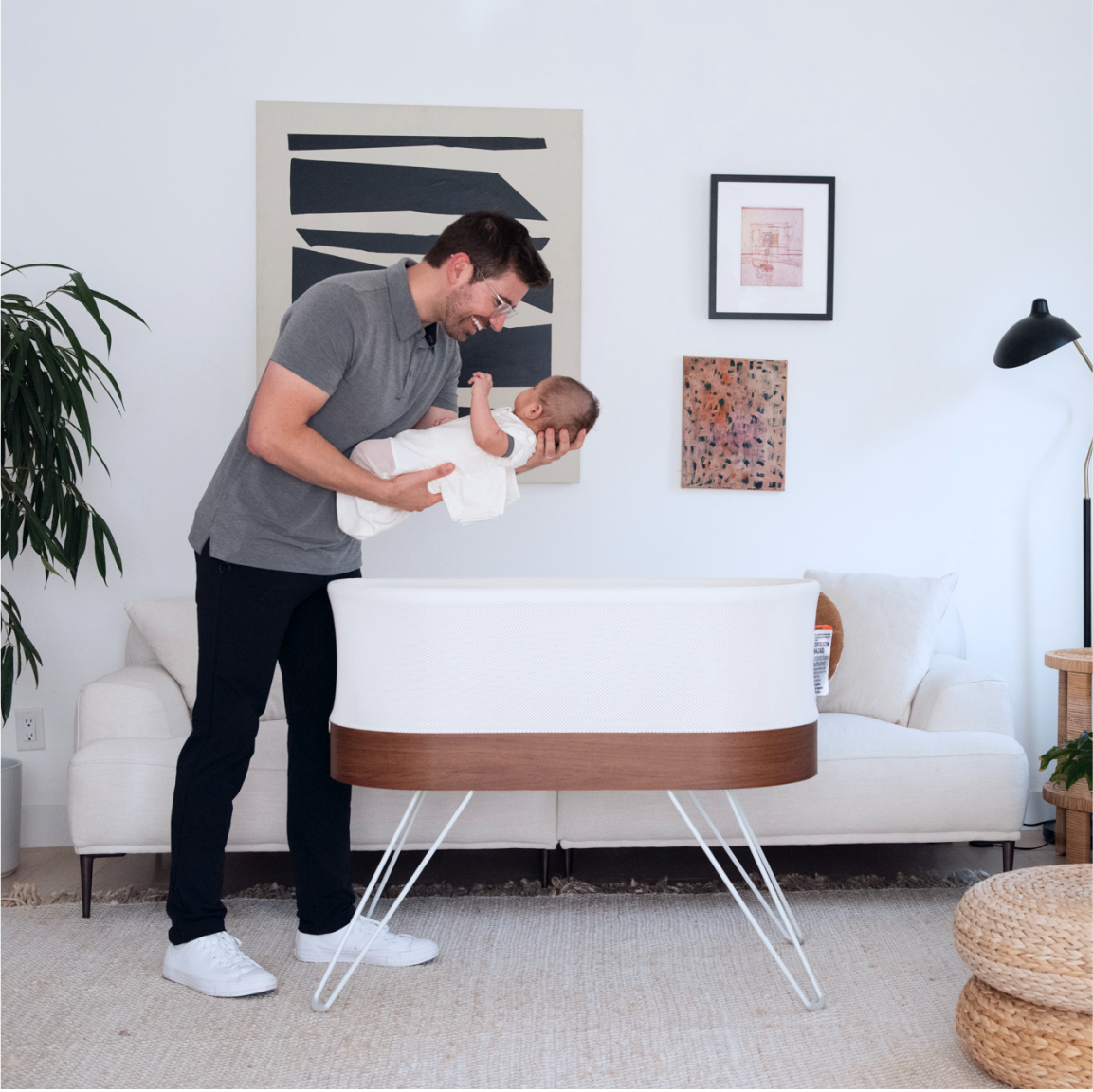
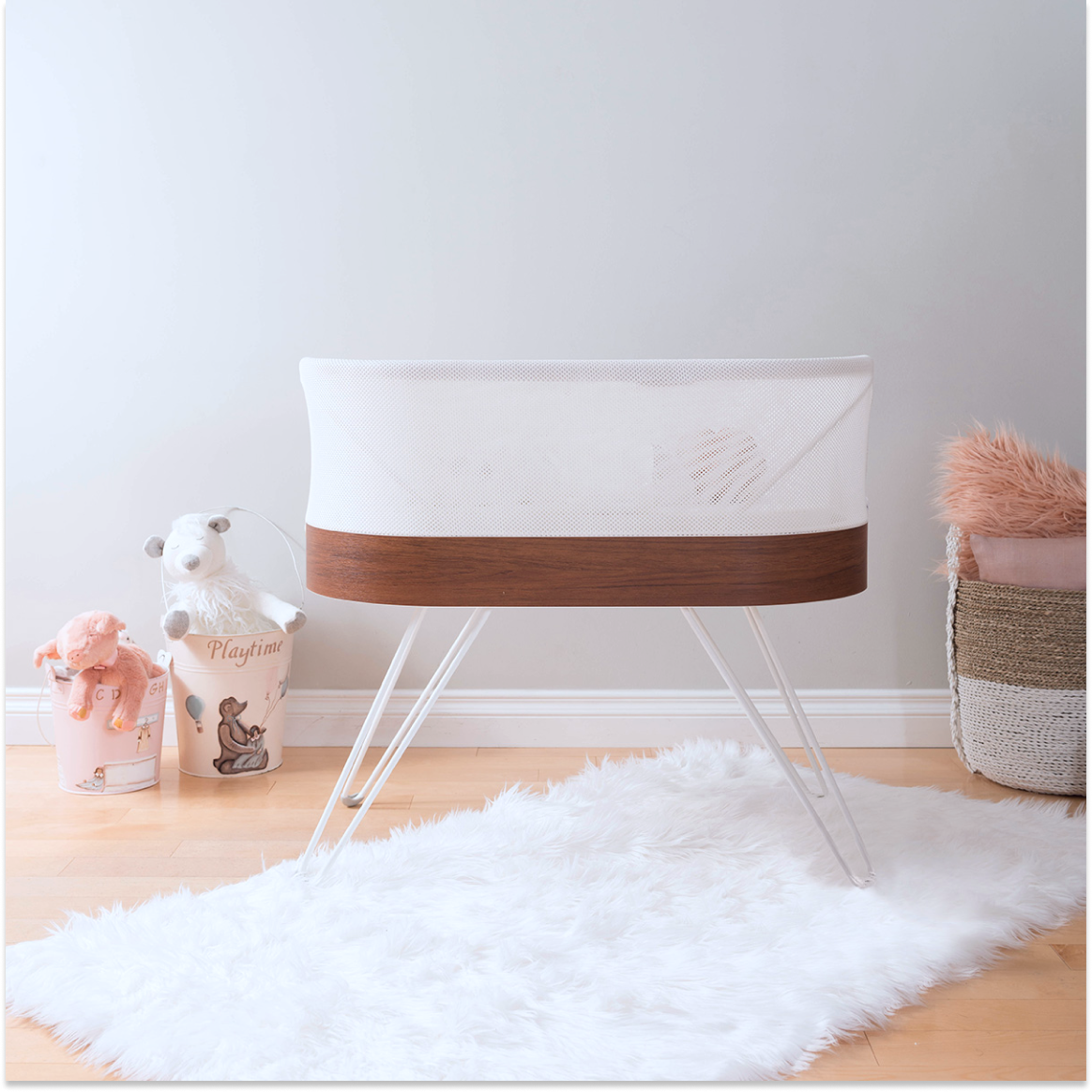
The SNOO Smart Sleeper bassinet by Happiest Baby is a responsive bassinet designed to soothe babies with gentle rocking and white noise. It’s built around the idea that consistent, womb-like motion can help calm newborns and improve sleep.
For many NZ parents, the appeal of SNOO NZ lies in its combination of:
- Automated soothing
- Secure swaddling system
- Built-in safety features
- Data insights via an app
But how does it align with safe sleep guidance?
How the SNOO Supports Safe Sleep Practices
Secure Swaddling for Back Sleeping
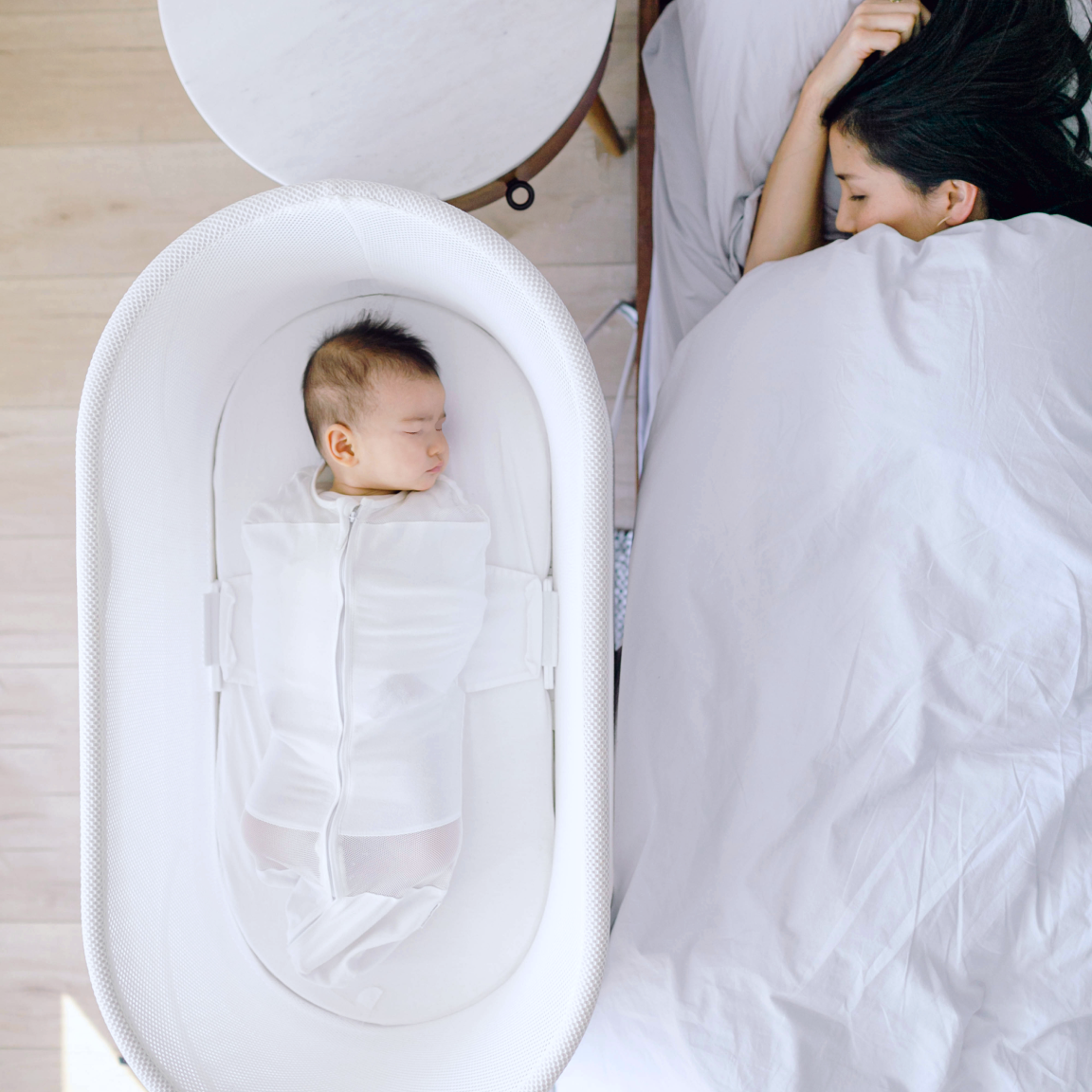
The SNOO uses a unique swaddle that clips into the bassinet, helping keep baby on their back—one of the most important safe sleep recommendations.
Unlike loose blankets, this system reduces the chance of fabric covering baby’s face or moving around during sleep.
Firm, Flat Mattress
Safe sleep guidelines emphasise a firm surface—and the SNOO mattress is designed to meet this requirement, providing a stable and supportive base.
Minimal Sleep Environment
Inside the SNOO, there’s no need for:
- Pillows
- Toys
- Loose bedding
This aligns closely with NZ safe sleep messaging: keep it simple and uncluttered.
Setting Up Your SNOO Safely at Home
Getting your setup right from day one makes a big difference. Here’s how to create a safe and comfortable sleep space using your SNOO.
1. Choose the Right Location
Place your SNOO:
- In your bedroom (room-sharing is recommended for the first 6 months)
- Away from heaters, windows, and cords
- On a flat, stable surface
2. Dress Baby Appropriately
New Zealand homes can vary in temperature depending on the season, so it’s important to avoid overheating.
A good rule of thumb:
- Use the SNOO swaddle
- Add a light layer underneath depending on room temperature
- Aim for a room temperature of around 18–20°C
3. Use Leg Lifters if Needed
If your baby has reflux or congestion, slight elevation can sometimes help. The SNOO Leg Lifters are designed specifically for this purpose, raising the head end safely without adding pillows or wedges inside the sleep space.
4. Keep the Area Clear
Avoid placing anything inside or around the bassinet that could fall in, including:
- Blankets
- Cushions
- Soft toys
5. Follow Weight and Age Guidelines
The SNOO is typically used from birth up to around 6 months, or when baby starts rolling or pushing up. Always check manufacturer guidance and transition when appropriate.
Creating a Calm Sleep Routine
While the SNOO Smart Sleeper can do a lot of the heavy lifting, routines still matter.
A simple newborn sleep routine might include:
- A consistent wind-down period (dim lights, quiet time)
- Feeding before sleep
- Swaddling and placing baby down drowsy but awake
- Letting the SNOO respond to fussing
Consistency helps babies learn when it’s time to sleep—something every sleep-deprived parent can appreciate.
Supporting Parents, Not Just Babies
Sleep deprivation is real. And while no product is a magic fix, tools like the SNOO can help create longer stretches of rest, which can make a big difference to your wellbeing.
Little Lux Sleep isn’t just about products—it’s about supporting NZ families with practical, trustworthy guidance.
Even small things, like having an easy-clean surface for night changes with the Little Lux Sleep Change Pad, can reduce stress during those late-night wake-ups.
Key Takeaways
- Safe sleep is about back sleeping, a firm surface, and a clear space
- The SNOO Smart Sleeper aligns well with many safe sleep principles
- Proper setup and temperature management are essential
- Consistent routines support better sleep over time
- Small tools and thoughtful setup can make a big difference for parents
Final Thoughts
Navigating newborn sleep can feel like a constant learning curve—but you don’t have to figure it out alone. By combining safe sleep practices with supportive tools like the SNOO, many NZ parents find a rhythm that works for their family.
If you’re considering SNOO NZ, think of it as one piece of the puzzle, paired with knowledge, consistency, and a bit of patience.
FAQ: Safe Sleep and SNOO NZ
Is the SNOO safe for newborns in New Zealand?
Yes, when used as directed, the SNOO Smart Sleeper aligns with key safe sleep principles such as back sleeping and a firm, clear sleep surface.
Does the SNOO reduce the risk of SIDS?
The SNOO supports safe sleep practices, which are associated with reducing SIDS risk. However, no product can eliminate risk entirely.
Can I use blankets inside the SNOO?
No. Like all safe sleep environments, the SNOO should remain free of loose bedding, blankets, or toys.
When should I stop using the SNOO?
Most babies transition out around 5–6 months, or earlier if they begin rolling or pushing up.
Are SNOO Leg Lifters safe to use?
Yes, when used as intended, they provide gentle elevation without adding unsafe items into the sleep space.