
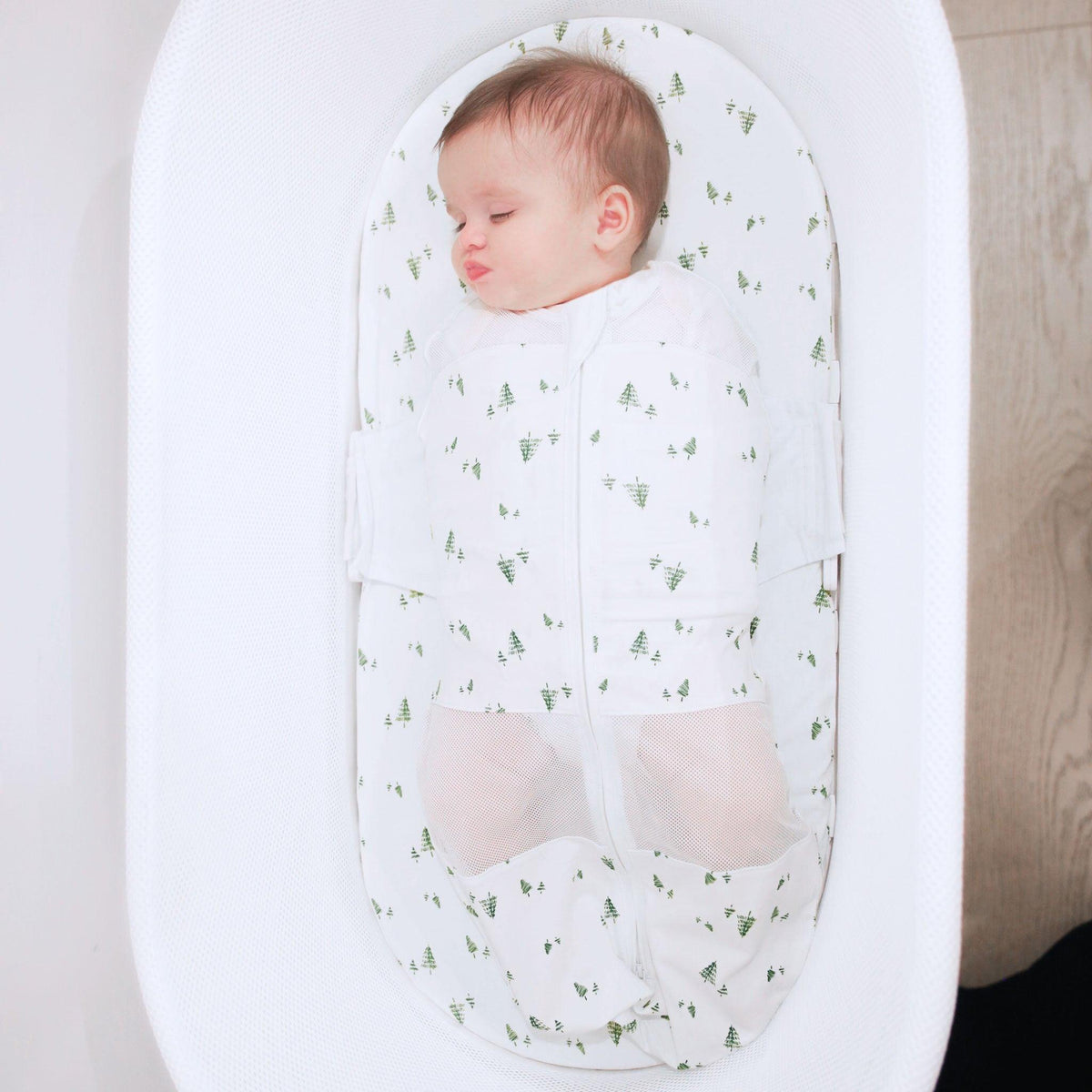
How to Dress Your Newborn for Sleep in NZ
How to Dress Your Newborn for Sleep in NZ (Season-by-Season Guide)
New Zealand's seasons have a way of keeping parents on their toes. One week it's warm and sunny; the next, a southerly rolls in and the temperature drops overnight. When you're learning how to dress your newborn for sleep in NZ, that variability can feel genuinely tricky — especially in those early weeks when everything is new and you just want to feel confident your little one is comfortable and safe.
The good news? Getting it right doesn't require a complicated system. Once you understand a few key principles — the right room temperature, how to layer, and which fabrics to reach for in each season — dressing your baby for sleep becomes one of the easier parts of your routine.
This guide walks you through everything, season by season.
Why Sleep Clothing Matters for Newborn Safety
Temperature regulation is one of the most important (and often overlooked) aspects of safe sleep for newborns. Babies can't regulate their own body temperature the way adults can, which means they rely entirely on us to dress them appropriately for the conditions.
Both overheating and being too cold can disrupt sleep quality — and staying within a safe temperature range is an important part of reducing the risk of SUDI (Sudden Unexpected Death in Infancy). Whānau Āwhina Plunket and the NZ Ministry of Health both recommend keeping baby's sleep environment at around 16–20°C and dressing them in breathable, natural fabrics.
Safe sleep is a topic close to our hearts at Little Lux Sleep — if you'd like a broader overview of safe sleep principles alongside product guidance, our post on Safe Sleep and SNOO Setup Basics for NZ Parents blog post is a great place to start.
The Golden Rule: How Many Layers Does a Newborn Need?
Before diving into each season, there's one simple rule worth remembering: dress your baby in one more layer than you'd wear yourself in the same room.
If you're comfortable in a t-shirt, your newborn likely needs a short-sleeve bodysuit plus a light sleep sack. If you're in a warm jumper, add a layer to match.
To check whether your baby is the right temperature, feel the skin at the back of their neck or between their shoulder blades. This is more reliable than checking their hands or feet, which naturally run cooler.
Signs your baby may be too warm:
-
Skin feels hot or clammy
-
Flushed cheeks
-
Rapid breathing
-
Sweaty hair or neck
Signs your baby may be too cool:
-
Skin feels cool to the touch on their chest or back
-
Unsettled or restless sleep
-
Feels cold under their clothing
If in doubt, feel rather than guess — and adjust layers as needed. A room thermometer is a genuinely useful tool in those early months.
Dressing Your Newborn for Sleep in NZ Summer (December–February)
NZ summers, particularly in the North Island and coastal areas, can bring warm, humid nights where the temperature stays well above 20°C even after dark. Overheating is the main concern during summer, so less is usually more.
What to use:
-
A lightweight short-sleeve bodysuit or singlet in 100% cotton or organic muslin
-
A 0.5 TOG sleep sack if the room is between 22–25°C
-
On very warm nights (above 25°C), a nappy and singlet alone may be enough
What to avoid:
-
Polar fleece or synthetic fabrics — these trap heat and don't breathe
-
Heavy swaddles or thick layers that restrict airflow
-
Loose blankets of any kind inside the sleep space
Organic cotton and muslin are your summer allies. They're soft against newborn skin, breathable, and gentle enough for even the most sensitive little ones. Our Clothing and Sleep Sacks collection includes 100% organic cotton options that are beautiful for warmer months.
Dressing Your Newborn for Sleep in Autumn and Spring (March–May, September–November)
Autumn and spring are New Zealand's most changeable seasons — you can have a warm afternoon and a surprisingly chilly evening in the same day, which makes layering your best friend.
What to use:
-
A long-sleeve bodysuit in cotton or organic fabric
-
A 1.0–2.5 TOG sleep sack depending on the room temperature that night
-
A light merino or cotton layer underneath on cooler evenings
Keep a room thermometer by your baby's bassinet and check it before you settle them for the night. Transition weather often means the room temperature shifts between a mid-evening feed and a 3am wake-up, so a TOG-rated sleep sack helps keep things consistent without adjusting layers mid-night.
Light merino is particularly good in changeable weather because it helps regulate temperature in both directions — keeping baby warm when cool and comfortable when warm. Plunket recommends natural fibres like cotton and wool as the best choice for baby sleep clothing.
Dressing Your Newborn for Sleep in NZ Winter (June–August)
NZ winters vary significantly by region — an Auckland winter is a very different experience from a Christchurch or Dunedin one. Regardless of where you are, the goal is to keep baby warm without over-layering, and to avoid using loose blankets as a solution.
What to use:
-
A long-sleeve bodysuit or cotton sleepsuit as a base layer
-
A 2.5–3.5 TOG sleep sack for colder rooms (below 18°C)
-
A snug-fitting merino layer between the bodysuit and sleep sack on the coldest nights
What to avoid:
-
Hats indoors during sleep — babies regulate heat through their heads, and a hat can cause overheating even when it feels cold in the room
-
Loose blankets — a well-fitted sleep sack is always the safer, warmer option
-
Placing the bassinet near heaters, heat pumps, or drafty windows
If your baby's room drops significantly overnight, it's worth using a heat pump or panel heater with a thermostat to maintain 16–20°C consistently, rather than adding more layers on top of each other.
Sleep Sacks vs Loose Blankets: What NZ Safe Sleep Guidelines Say
This is one of the most common questions new parents ask — and the answer, according to NZ safe sleep guidance, is clear: loose blankets should not be used in your baby's sleep space.
Loose bedding — including blankets, duvets, and soft wraps — can shift during sleep and create a suffocation risk. The recommendation from Plunket and the NZ Ministry of Health is to keep the sleep surface clear and use a correctly sized sleep sack instead.
A well-fitted sleep sack:
-
Stays securely in place throughout the night
-
Provides consistent warmth without overheating risk
-
Replaces the need for loose bedding entirely
-
Makes night feeds and nappy changes simpler — no re-tucking required
When choosing a sleep sack, look for one that fits snugly around your baby's neck and arms with no excess fabric near the face. TOG rating guides are typically printed on the packaging — they match the sack to the room temperature so you can make an informed choice for each season. Explore our full range of sleep sacks and newborn sleepwear.
Frequently Asked Questions
Q: What should a newborn wear to sleep in NZ?
A: Most newborns sleep well in a fitted bodysuit and a TOG-rated sleep sack suited to the room temperature. Use natural, breathable fabrics like organic cotton or light merino, and avoid loose blankets. The general rule is one more layer than you'd be comfortable in yourself.
Q: What is the ideal room temperature for a sleeping newborn in NZ?
A: Whānau Āwhina Plunket recommends a room temperature of around 16–20°C for newborn sleep. A room thermometer is a simple, helpful tool — particularly in changeable NZ weather.
Q: Can I use a blanket instead of a sleep sack for my newborn?
A: NZ safe sleep guidelines recommend against loose blankets in your baby's sleep space. A correctly fitted sleep sack is the safer choice and provides the same warmth without the risk.
Q: What TOG rating do I need for my baby's sleep sack in NZ?
A: As a general guide: 0.5 TOG suits warmer nights (above 22°C), 1.0–2.0 TOG suits mild nights (18–22°C), and 2.5–3.5 TOG suits cooler rooms (below 18°C). Always check the temperature chart on the product packaging.
Q: Are polar fleece sleep sacks safe for newborns?
A: Polar fleece and synthetic fabrics aren't recommended for infant sleepwear as they don't breathe well and can cause overheating. Organic cotton, muslin, or light merino are all excellent choices.
Q: How do I know if my newborn is too hot or cold during sleep?
A: Feel the skin at the back of their neck or between their shoulder blades. Clammy or sweaty skin suggests they're too warm; cool skin on the chest or back suggests they may need an extra layer.
The Bottom Line on Dressing Your Newborn for Sleep in NZ
The most important things to keep in mind are simple: aim for a room temperature of 16–20°C, use breathable natural fabrics, choose a sleep sack over loose blankets, and always check baby's skin temperature rather than going by feel alone.
NZ's seasons will keep changing — but with the right layers and a well-chosen sleep sack, you can feel confident your little one is comfortable, safe, and settled from night one.
Browse our sleep sacks and newborn sleepwear collection — everything is chosen with NZ conditions, safe sleep principles, and a good night's rest in mind.
External link referenced: Plunket clothing and sleep guidance

%0ANew%20Zealand's%20seasons%20have%20a%20way%20of%20keeping%20parents%20on%20their%20toes.%20One%20week%20it's%20warm%20and%20sunny;%20the%20next,%20a%20southerly%20rolls%20in%20an...)